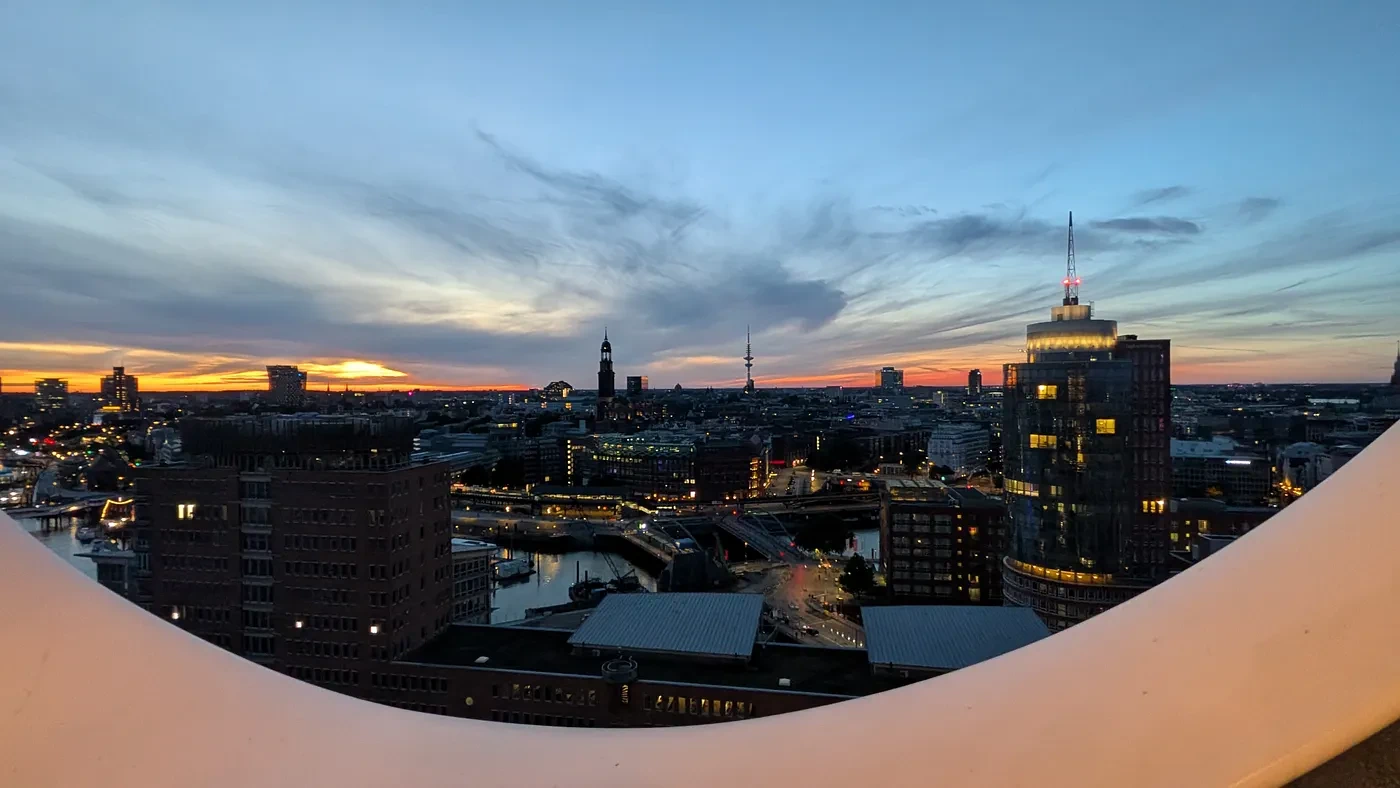

| Tutorial at ISC-HPC 2026 | Monday, June 22nd | Hamburg, Germany |
ISC Tutorial registration required Add this tutorial to your ISC registration!
The Challenge
Energy efficiency has become a critical bottleneck in High-Performance Computing (HPC) and Supercomputing. With Graphics Processing Units (GPUs) driving the compute power of modern exascale systems, they also account for a massive portion of overall energy expenditure. Developing energy-efficient strategies for GPU applications is no longer optional, it is essential to reducing both environmental impact and operational costs.
What You Will Learn
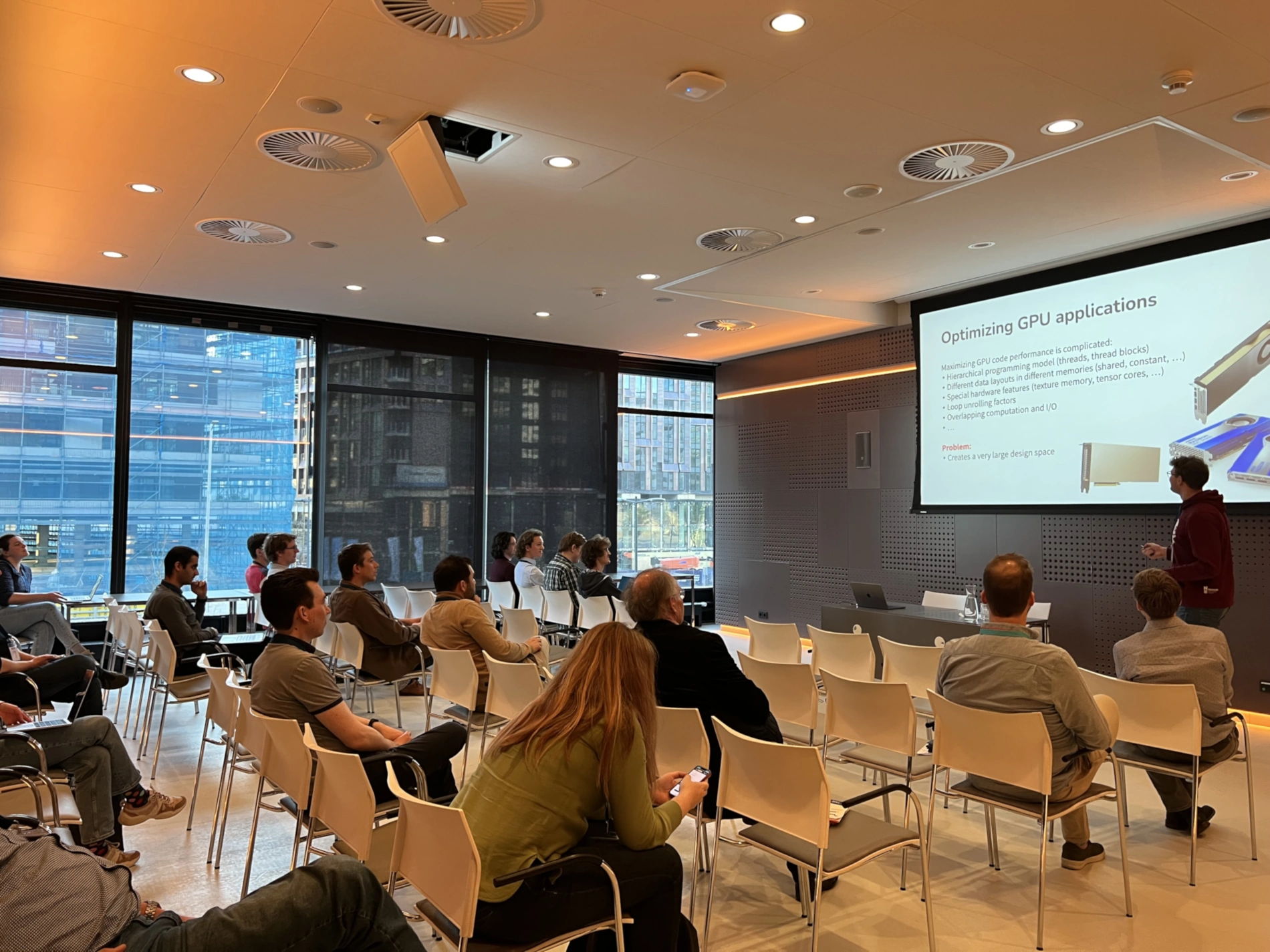
This tutorial offers a comprehensive, hands-on introduction to energy-efficient computing for GPU applications. Participants will walk away with practical experience in:
- Code Optimization: Apply software-level techniques that directly improve energy efficiency.
- Auto-Tuning: Automatically explore and identify optimal performance-energy trade-offs.
- Mixed Precision: Write clean, effective code for reduced-precision arithmetic on GPUs.
- Hardware Tuning: Discover how to find and set the optimal GPU core clock frequency range.
Prerequisites
To get the most out of the hands-on sessions, participants should come prepared with the following:
- Background Knowledge: A basic understanding of parallel programming and basic experience with Python. Don’t worry if you are new to GPUs—we will cover the basics to ensure beginners can confidently follow the advanced topics!
- Hardware: Bring a laptop equipped with a modern web browser.
- Software/Accounts: We will be using Jupyter Notebooks for our exercises. A Google account is required to access Google Colab.
Timetable
| Time | Topic |
|---|---|
| 9:00 – 9:05 | Opening and welcome |
| 9:05 – 9:15 | Introduction to Energy Efficient Computing |
| 9:15 – 9:45 | A quick refresher on GPU Programming with CUDA/HIP |
| 9:45 – 10:15 | Code optimization techniques for energy efficiency |
| 10:15 – 10:30 | First hands-on session |
| 10:30 – 11:00 | Mixed precision programming techniques |
| 11:00 – 11:30 | Coffee break |
| 11:30 – 12:00 | Second hands-on session |
| 12:00 – 12:30 | Optimizing GPU core clock frequency |
| 12:30 – 12:50 | Third hands-on session |
| 12:50 – 13:00 | Closing remarks and question time |